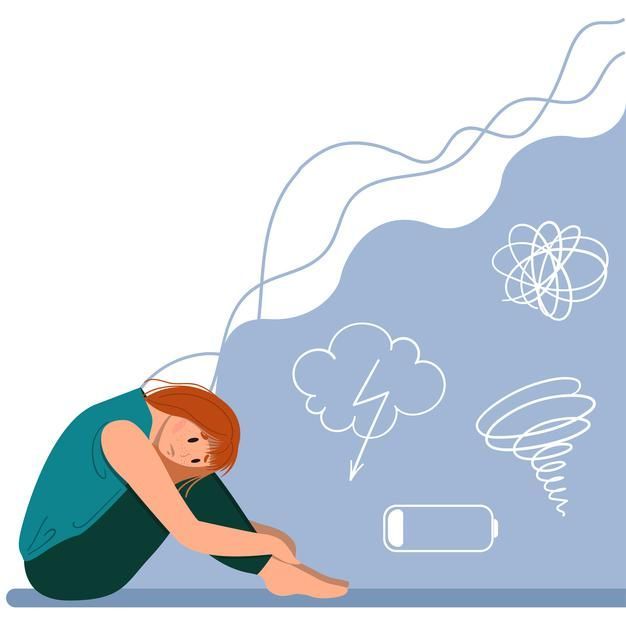

Personality Disorder Treatment: Compassionate Care for Lasting Change
Personality patterns shape how we think, relate, and respond to the world. When these patterns become rigid and distressing, they can interfere with relationships, work, and emotional well-being. Personality disorder treatment offers a path toward stability, self-understanding, and healthier ways of coping.
At Releaf, care is centred on empathy, evidence-based therapies, and personalised support. With the right guidance, individuals can learn new skills, strengthen relationships, and regain a sense of control. This guide explains different conditions, symptoms, and how professional personality disorder treatment can support meaningful recovery.
What Are Personality Disorders?
Personality disorders are long-term patterns of thinking, feeling, and behaving that differ from cultural expectations and create challenges in daily life. These patterns often begin in adolescence or early adulthood and can affect emotional regulation, impulse control, and relationships.
Causes vary and may include:
- Genetic predisposition
- Childhood experiences or trauma
- Brain chemistry differences
- Environmental stressors
With proper assessment and personality disorder treatment, individuals can understand these patterns and build healthier coping strategies.
Types of Personality Disorders
Cluster A: Odd or Eccentric Patterns
Cluster B: Emotional and Impulsive Patterns
Odd or Eccentric Patterns :
- Paranoid personality disorder involves deep mistrust and suspicion of others’ motives
- Schizoid personality disorder is marked by detachment from social relationships and limited emotional expression.
- Schizotypal personality disorder includes discomfort with relationships, unusual beliefs, and eccentric behavior.
Each of these conditions can improve with structured personality disorder treatment focused on social skills and emotional awareness.
Emotional and Impulsive Patterns :
- Antisocial personality disorder may involve disregard for rules and others’ rights
- Borderline personality disorder is characterized by intense emotions, fear of abandonment, and unstable relationships.
- Histrionic personality disorder often includes strong emotional expression and a need for attention.
- Narcissistic personality disorder involves grandiosity and difficulty with empathy.
- Targeted personality disorder treatment helps individuals manage emotions, build empathy, and develop healthier interpersonal skills.
Cluster C: Anxious or Fearful Patterns
- Avoidant personality disorder includes extreme sensitivity to rejection and social inhibition.
- Dependent personality disorder is marked by a strong need for reassurance and support from others.
- Obsessive-compulsive personality disorder involves perfectionism, rigidity, and a strong need for control.
Through structured personality disorder treatment, people can reduce anxiety, increase independence, and improve flexibility in thinking.
Signs and Symptoms
Difficulty maintaining relationships
Intense or unstbale emotions
Fear of rejection or abandonment
Impulsive or risky behavior
Persistent mistrust or detachment
Recognizing these signs early can make personality disorder treatment more effective and improve long-term outcomes.
Why Early Treatment Matters
Early intervention helps prevent patterns from becoming more deeply ingrained. With timely treatment, individuals can:
- Develop emotional regulation skills
- Improve communication
- Reduce distress and conflict
- Strengthen self-esteem
Seeking help early also reduces the risk of co-occurring challenges such as anxiety, depression, or substance use.
Personality Disorder Treatment at Releaf
Psychotherapy
Talk therapy helps individuals explore thought patterns and relationship dynamics.
Mindfulness, stress management, and lifestyle support enhance overall wellbeing.
Holistic Therapies
Therapy for narcissistic personality disorder
Specialized approaches help build empathy, self-awareness, and healthier self-esteem.
CBT focuses on identifying unhelpful thoughts and replacing them with healthier perspectives.
Cognitive Behavioral Therapy (CBT)
Dialectical Behavior Therapy (DBT)
Often used for emotional regulation, DBT teaches mindfulness, distress tolerance, and interpersonal skills.
Medication may be used to manage mood symptoms or co-occurring conditions when appropriate.
Medication Support
Paranoid personality disorder treatment
Support focuses on building trust, reducing suspicion, and improving communication.
Through integrated personality disorder treatment, clients receive care that addresses both emotional and practical needs.
What Clients Can Expect
Starting personality disorder treatment can feel uncertain, but understanding the process helps build confidence.
Comprehensive Assessment
Personalized Plan
Skill Development
Progress Tracking
A supportive environment encourages openness and steady progress.
Benefits of Choosing Releaf
Choosing the right provider makes a meaningful difference. Releaf emphasizes:
- Experienced mental health professionals
- Individualized personality disorder treatment plans
- Supportive, non-judgmental care
- Evidence-based therapies
- Focus on long-term growth
This approach helps clients feel understood, respected, and empowered.
Long-Term Recovery and Aftercare
Recovery is an ongoing journey. Continued personality disorder treatment and aftercare may include:
- Ongoing therapy sessions
- Support groups
- Relapse prevention strategies
- Lifestyle and stress management guidance
Consistent support strengthens resilience and helps maintain progress over time.
How Treatment Improves Daily Life
With consistent personality disorder treatment, individuals often experience:
- Healthier relationships
- Greater emotional stability
- Improved confidence
- Better decision-making
- Increased sense of purpose
These changes can positively impact every area of life, from family connections to career growth.
Taking the First Step Toward Healing
Living with persistent emotional or interpersonal challenges can feel overwhelming, but change is possible. With compassionate guidance and structured personality disorder treatment, individuals can learn new ways to cope, connect, and thrive.
Reaching out for support is a powerful step toward a healthier future. If you or someone you care about is exploring options, professional help can provide clarity, direction, and hope.
Personality disorder treatment offers more than symptom relief — it creates the opportunity for lasting personal growth, stronger relationships, and a renewed sense of wellbeing. Taking that first step today can open the door to meaningful change.